




















What Happens if You Crash Without Compulsory Motor Insurance in Türkiye?
Driving without compulsory motor liability cover in Türkiye does not produce one consequence but several at once — removal from traffic, an administrative fine, personal exposure and recourse from the Guarantee Account.
An Uninsured Vehicle Is Removed From Traffic
An expired or missing compulsory motor liability policy does not produce one consequence at the moment of a crash; several run at once. This article traces the administrative, financial and legal position of an uninsured operator from the primary legislation.
The first consequence attaches to the vehicle. Article 91 of Road Traffic Law No. 2918 states it in one line: vehicles without compulsory motor liability insurance at valid sums insured are removed from traffic. The phrase “at valid sums insured” matters — holding some policy is not enough.
The article does not condition removal on an accident; a routine roadside check suffices. Compulsory motor liability cover is therefore not a deferrable item.
The Administrative Fine Is Reset Every Calendar Year
The final paragraph of Article 91 provides that those who breach it are punished with an administrative fine. The figure printed in the statute dates from a 1997 amendment and does not state today's amount.
The current amount follows from Additional Article 3: for offences under Law No. 2918, the previous year's absolute penalty amounts are increased at the start of each calendar year by the revaluation rate announced under the Tax Procedure Law. No figure is given here for that reason; the amount set for the relevant year applies.
The same article carries a detail that is easy to miss: where a single act breaches several fine-bearing prohibitions, the heaviest fine applies. Nor can the fine be passed to an insurer — Article A.6 of the General Conditions lists administrative and judicial fines among the exclusions.
The Other Party's Loss Comes Out of Your Own Pocket
Being uninsured does not remove liability; it removes the policy that would answer for it. Article 85 makes the operator, with any undertaking the vehicle belongs to, jointly and severally liable where operating a motor vehicle causes death, injury or damage to property.
Escaping that liability is not straightforward. Article 86 requires the operator to prove that neither they nor the persons they answer for were at fault, that no vehicle defect contributed, and that the accident arose from force majeure or the gross fault of the injured party or a third person. The burden rests on the operator.
With a policy, the compensation is paid by the insurance company within the limits in force on the accident date. Without one, the operator pays. We set out the heads of loss in our motor liability article.
Where the Guarantee Account Steps In
A mechanism exists so the injured party is not left without payment: the Guarantee Account (Güvence Hesabı). Article 14 of Insurance Law No. 5684 establishes it within the Association of Insurance, Reinsurance and Pension Companies of Türkiye, to meet losses in defined situations up to the valid sums insured.
The limb that operates for an uninsured vehicle is subparagraph (b): the Account may be approached for bodily injury caused by those who failed to insure at the sums valid on the date of the loss. Article 9 of the Guarantee Account Regulation uses the same wording. It says bodily injury; material damage falls outside.
In practice: the Account responds for the injured person in the other vehicle, not for that vehicle's crushed bodywork. Property damage is paid by the operator directly.
| Head of loss | With motor liability cover | Without motor liability cover |
|---|---|---|
| Other party's bodily injury | The insurer pays up to the limit in force on the accident date. | The Account pays up to the valid sum insured, then pursues recourse against the operator. |
| Other party's vehicle damage | Paid under the material damage head, diminution in value included. | The relevant provision is confined to bodily injury, so payment falls to the operator. |
| Damage to your own vehicle | Excluded under the liability policy; it belongs to kasko own damage cover. | Also excluded; with no kasko in place the cost sits entirely with the operator. |
| Administrative fine | Outside the policy cover (General Conditions A.6). | Outside the policy cover, and the Article 91 fine applies in addition. |
| Keeping the vehicle on the road | No obstacle arises on this ground. | A vehicle without cover at valid sums insured is removed from traffic. |
The Guarantee Account Reclaims What It Pays
The Guarantee Account is not a relief fund; it recovers what it pays. Article 16 of the Guarantee Account Regulation provides that recourse is taken against those who did not arrange compulsory insurance, or did not arrange it at valid sums insured.
Article 17 completes the picture: the Account is discharged by payments within the compulsory sums insured, while losses above those sums are borne by the person who caused the damage. The portion below the limit returns through recourse; the portion above lands on the operator directly.
Going uninsured is not avoiding the premium but postponing payment until after a crash — in one instalment, out of your own resources.
Where the Injured Party Applies
The route for the injured party is legislated too. Article 97 requires a written application to the insurance undertaking before proceedings are commenced within the limits of the compulsory policy. If no written response comes within 15 days, or the response does not meet the claim, the injured party may sue or refer the matter to arbitration under Law No. 5684.
Treatment costs follow a separate path. Article 98 provides that the cost of health services supplied after a traffic accident by public and private institutions is met by the Social Security Institution, regardless of whether the casualty holds social security cover. The other driver being uninsured does not interrupt treatment.
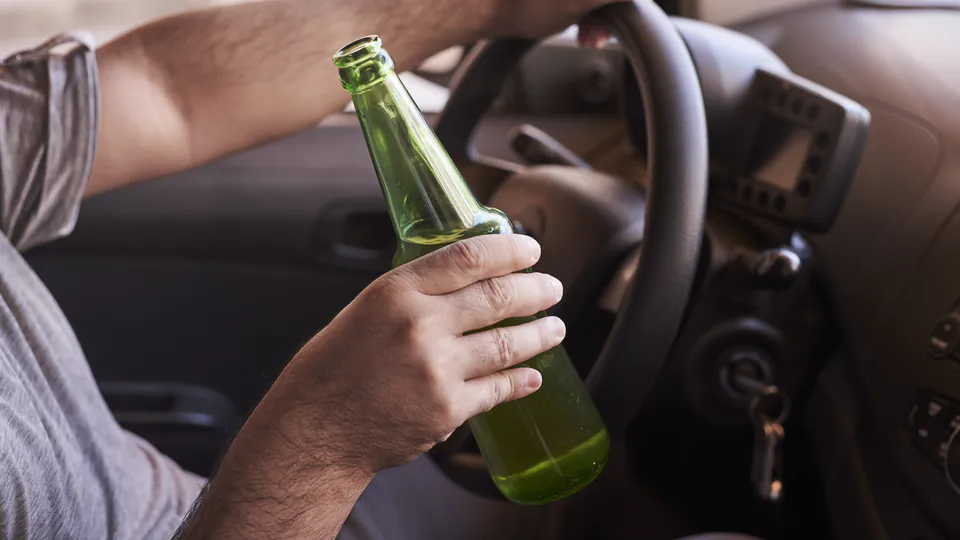
Where alcohol is involved the picture shifts again; we cover exclusion versus recourse in our drink-driving article.
How We Close the Gap as an Agency
RYL Sigorta Aracılık Hizmetleri Limited Şirketi is an insurance agency. The policy is issued by the insurance company and any indemnity is paid by the insurance company. Our role is not to pay, but to make sure the uninsured day never occurs.
Three gaps come up most often: the interval between transfer date and policy date on a second-hand purchase, an expiry hour that slips past unnoticed, and a liability policy standing alone where kasko own damage cover was never considered. All three are solvable before a crash, none afterwards.
If you are unsure of your expiry date or have just taken over a vehicle, reach us through the quotation form; with the registration details we prepare a comparative quotation.
Frequently Asked Questions
Will the Guarantee Account Pay for My Vehicle Damage?
No. Article 14 of Insurance Law No. 5684 and Article 9 of the Guarantee Account Regulation allow the Account to be approached only for bodily injury where the loss was caused by someone who failed to insure. Material damage such as repair costs falls outside that provision.
Is Damage From a Hit-and-Run Covered?
Under Article 9 of the Guarantee Account Regulation the Account may be approached for bodily injury where the insured, or the person responsible for arranging the insurance, cannot be identified. That provision is likewise confined to bodily injury.
My Policy Expired on the Day of the Accident — Am I Still Covered?
Article A.7 provides that cover ends on the day and at the time written in the policy; where no time is stated it ends at 12.00 noon Turkish time. An accident after that moment is uninsured, and for Article 91 purposes the vehicle counts as one without valid cover.
Does Insurance Pay Traffic Fines?
No. Article A.6 lists all costs arising from criminal proceedings, together with administrative and judicial fines, among the exclusions. The fine remains yours even where a valid policy is in force.
Who Is Liable Where the Driver and the Operator Are Different People?
Article 85 holds the operator, and any undertaking the vehicle belongs to, jointly and severally liable; the operator answers for the fault of the driver and of auxiliary persons as for their own. Article 16 of the Guarantee Account Regulation likewise directs recourse at those who failed to insure.
Sources
- Road Traffic Law No. 2918 — Turkish Legislation Information System
- Insurance Law No. 5684 — Turkish Legislation Information System
- Guarantee Account Regulation — Turkish Legislation Information System
- General Conditions of Compulsory Motor Third Party Liability Insurance — Turkish Legislation Information System
This article is for information only; the scope of cover is set by the policy’s specific and general terms.
Related Articles
 Motor
MotorHow Does Drink-Driving Affect Motor Insurance in Türkiye?
Driving over the legal alcohol limit is a recourse ground under Türkiye's compulsory motor liability policy and an outright exclusion under kasko own damage cover. One event, two outcomes.
Read the Article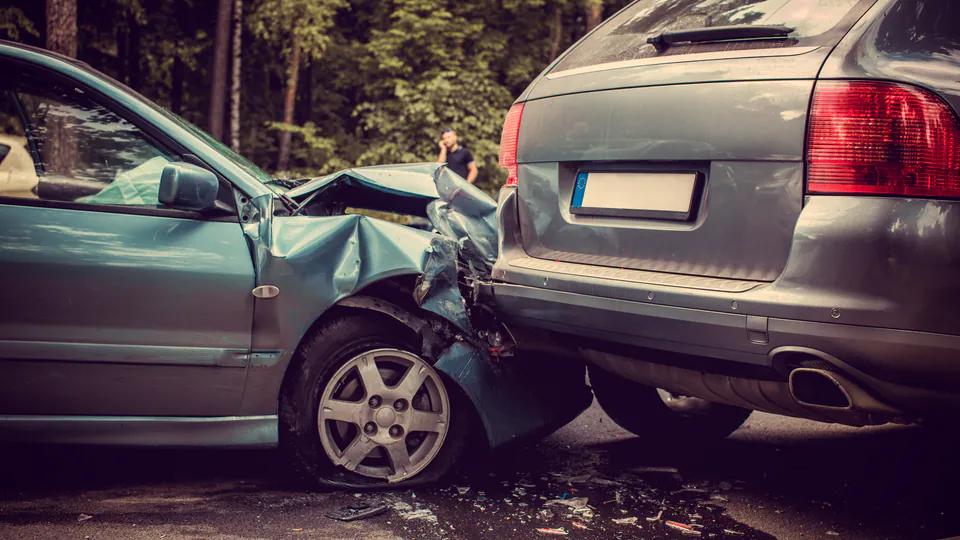 Motor
MotorWhat Does Turkish Compulsory Motor Liability Insurance Cover?
Compulsory traffic insurance in Türkiye covers what you do to third parties, not damage to your own vehicle. Here are the four heads of cover, the exclusions and the claims deadlines.
Read the Article Motor
MotorWhat Is Fleet Comprehensive Motor Insurance?
Fleet kasko is not a defined product in Turkish regulation but a way of running many vehicles under one programme. On the compulsory side, each vehicle still carries its own policy.
Read the Article